Sudoku Puzzle Book Templates for KDP Publishing
Creating a physical puzzle book can feel like a daunting project, especially for those venturing into self-publishing. Between formatting, layout, and ensuring professional quality, the technical hurdles can overshadow the creative joy of sharing a beloved pastime. This is where a specialized tool like a Sudoku Puzzle Activity KDP Template becomes invaluable. Essentially, it’s a pre-designed, ready-to-use digital file tailored for the Amazon Kindle Direct Publishing (KDP) platform. It provides the complete interior structure of a book, so you can focus entirely on the puzzles themselves.
What Exactly Is a KDP Sudoku Template?
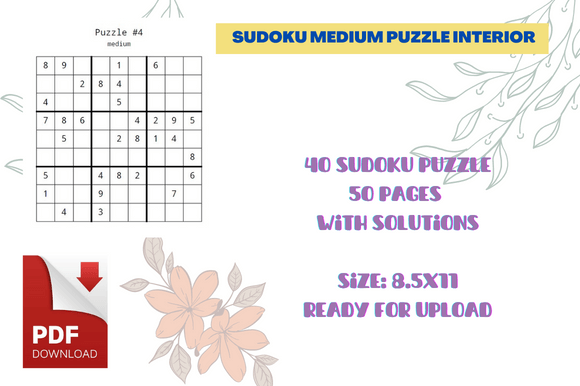
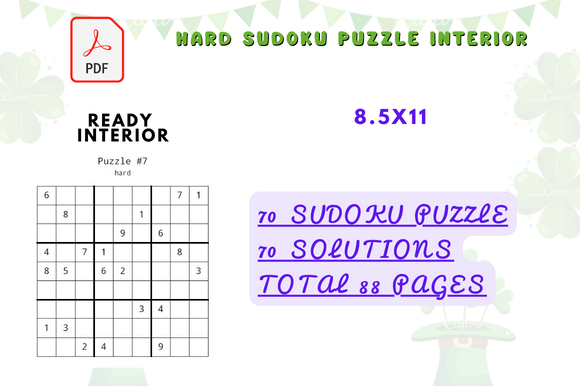
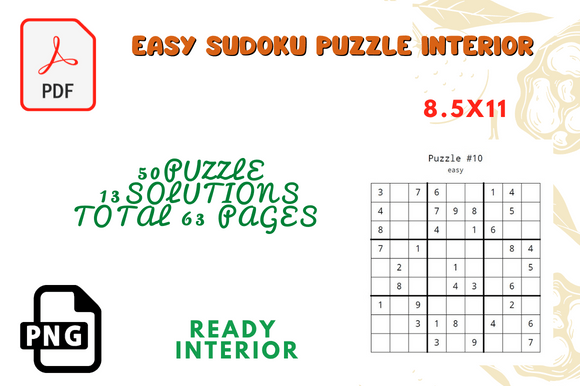
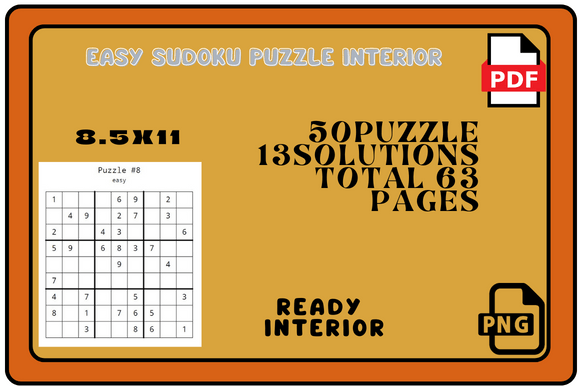
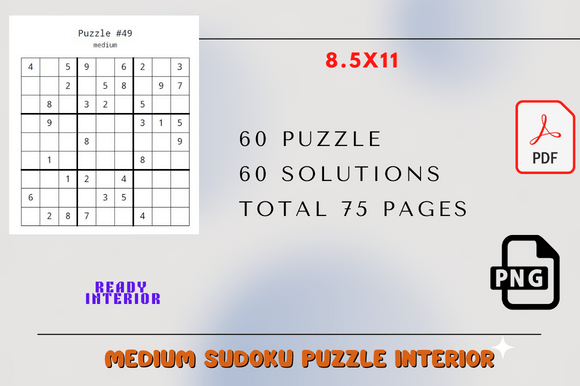
Consider a template as the architectural blueprint for your puzzle book. A typical offering, like the one described here, includes 60 medium-difficulty Sudoku puzzles with their solutions neatly presented. The entire package is a 75-page PDF formatted to the standard KDP interior size of 8.5” x 11”, with one puzzle per page and solutions compiled at the end. This isn’t just a collection of puzzles; it’s a professionally laid-out book interior. The margins, page numbering, and overall presentation are already handled, meeting KDP’s technical specifications so your upload process is smooth and error-free.
Why a Template Matters Across Different Audiences
The value of a ready-made KDP interior isn’ universal; it shifts dramatically depending on who you are and what you aim to achieve. For some, it’s a gateway to a new venture; for others, it’s a solution to a persistent time problem.
A beginner or hobbyist looking to publish their first book might prioritize ease of use and reliability above all else. The learning curve for professional design software like InDesign can be steep. A template eliminates that barrier entirely, allowing someone with great puzzle ideas but no design experience to produce a product that looks polished and credible. Their primary goal is often to share their passion or create a personal project, and the template delivers a trustworthy path to that goal.
For the entrepreneur, marketer, or small business owner, priorities lean heavily toward speed, commercial value, and flexibility. Perhaps they want to create a branded puzzle book as a promotional item, a lead magnet for their website, or a complementary product for their existing store. Time is a scarce resource. Using a pre-formatted template allows for rapid turnaround. They can evaluate the template’s quality—the clarity of the puzzles, the readability of the solutions—to ensure it aligns with their brand’s reputation for quality. The long-term usefulness lies in the ability to possibly modify or reuse the structure for future volumes.
The Creator’s and Professional’s Perspective
Freelance designers, educators, and seasoned publishers might approach a template with different eyes. A creator who regularly produces content for clients may see a Sudoku Puzzle Activity KDP Template as a foundational asset. It accelerates the initial phase of a project, letting them invest more time in customizing the cover, marketing materials, or even tweaking the template’s design for a unique touch. Their focus is on efficiency and creative flexibility.
An educator, perhaps a math teacher or cognitive therapist, might evaluate the template for its learning value and presentation. They could use such a book as a teaching aid or recreational activity for students or clients. The clean, distraction-free layout with one puzzle per page is crucial here—it supports focus and reduces frustration. For them, the included solutions are not just an appendix but a vital teaching tool, allowing for guided correction and learning.
Identifying If This Tool Matches Your Needs
How do you know if a pre-made KDP interior is right for your specific project? Start by asking practical questions about your current situation.
If your primary constraint is time or technical skill, and you wish to publish a clean, standard Sudoku book without custom graphic elements, a template is almost certainly your best option. It directly addresses those hurdles.
If your project requires highly unique layouts—like integrating custom illustrations, specific fonts, or a non-standard puzzle sequence—then a rigid template may feel limiting. In that case, you might need a more adaptable design file or the services of a designer.
Consider your end goal. Is it a single, personal publication? A template is perfect. Is it to build a series of puzzle books under your own brand? Then, assess the template’s potential for minor modifications and whether its style can remain consistent across multiple volumes.
Practical Applications and Examples
Let’s look at some concrete scenarios where this kind of template becomes the centerpiece of a project.
A blogger focusing on brain health decides to create a tangible product for their audience. They download the Sudoku Puzzle Activity KDP Template, quickly add their own introductory page about cognitive benefits, and upload it to KDP. Within a week, they have a physical book to sell or give away, reinforcing their blog’s authority and providing value in a new format.
A retired professional with a passion for Sudoku curates 60 challenging puzzles they’ve enjoyed. Using the template, they bypass the frustration of page layout software. They simply insert their puzzles into the pre-defined slots, ensuring each page is perfectly aligned for printing. The project becomes a fulfilling legacy activity rather than a technical chore.
For a small gift shop owner, sourcing unique, locally-made items is key. They commission a local puzzle enthusiast to create a book using this reliable template. The result is a high-quality, locally-authored puzzle book they can stock, with the creator receiving royalties through KDP. The template ensured the product met professional standards, making it viable for retail.
Beyond the Puzzle: The Underlying Value
The ultimate benefit of a well-structured KDP template isn’t just the puzzles it contains; it’s the confidence and clarity it provides. It removes ambiguity about page setup, which is one of the most common reasons for KDP upload rejections. It guarantees a uniform reading experience, which customers appreciate. And it democratizes publishing, allowing expertise in puzzle creation to shine without being gatekept by expertise in graphic design.
Whether you are a consumer looking for a fun project, a professional streamlining a service, or an entrepreneur testing a new market niche, the relevance of a Sudoku Puzzle Activity KDP Template lies in its practical problem-solving. It translates an idea into a tangible, sellable, shareable product with minimal intermediate friction. By aligning the tool with your specific priorities—be they creative, commercial, or personal—you can make a clear decision on whether this ready-made path is the right one for your next Sudoku puzzle book adventure.